


I wasn’t trying to add something. I was trying to protect what was already there.
For a long time, I didn’t have language for stress, oxidative pressure, or antioxidants. I only knew how my body felt.
Mornings came too quickly. Sleep didn’t feel complete. My mind worked, but without clarity. I wasn’t sick—just constantly depleted. Like something essential was being used up faster than it could be restored.
At that stage of life, I wasn’t searching for prevention or longevity. I simply wanted enough energy to live my day with steadiness. Nothing dramatic. Nothing miraculous.
Only later—after my body began responding—did my awareness open. That was when I encountered the concept of oxidative pressure.
The quiet cost of modern life
Oxidative pressure isn’t dramatic. It doesn’t announce itself. It accumulates quietly—through long-term stress, urban living, emotional load, disrupted sleep, constant stimulation, and the subtle tension of modern survival.
We often associate oxidation with aging, but in daily life, it shows up first as wear:
- mental fog
- slow recovery
- feeling rested but not restored
- a sense that the body is always catching up
This isn’t failure. It’s a reflection of how much we ask of our systems.
When awareness follows experience
I didn’t understand oxidative pressure before. I understood it after my body felt different.
That difference wasn’t loud. It didn’t feel like stimulation or excitement. Instead, there was a subtle sense of buffering—as if my system had more room to breathe.
Only then did the concept make sense: oxidative pressure isn’t something we fix once—it’s something we live within.
From nutrients to the cellular level
When we talk about nutrition, we often stay at the surface: energy, immunity, appearance, performance.
But life doesn’t happen at the surface. It happens at the cellular level.
Every cell responds to its environment—stress signals, inflammatory signals, oxidative load. Over time, these signals influence how efficiently cells function, repair, and communicate.
Grape Seed Extract entered my life not as a solution, but as a support—a way to help the body maintain balance in a demanding environment.
Not to push harder. Not to reverse time. But to reduce unnecessary wear.
Protection, not supplementation
This is the distinction that matters most to me.
I wasn’t trying to add something new to my body. I was trying to protect what was already working.
Protection means:
- supporting the body under long-term stress
- helping cells cope with ongoing oxidative signals
- thinking in years, not weeks
This perspective shifts the narrative. It moves away from quick results and toward long-term steadiness.
Why Grape Seed Extract fits this philosophy
I don’t experience Grape Seed Extract as a promise. I experience it as a response—to pressure that already exists.
Its role, for me, sits quietly at the cellular level, where antioxidant support helps the body navigate modern stress without constant depletion.
Not dramatic. Not cosmetic. Just foundational.
A different way to think about health
I don’t believe most people are looking to be convinced. They’re looking to feel safe in their bodies.
For those who care deeply about health—but dislike being sold to—this matters:
Health isn’t always about adding more. Sometimes it’s about defending the integrity of what’s already there.
That, to me, is the true value of Grape Seed Extract in modern life.
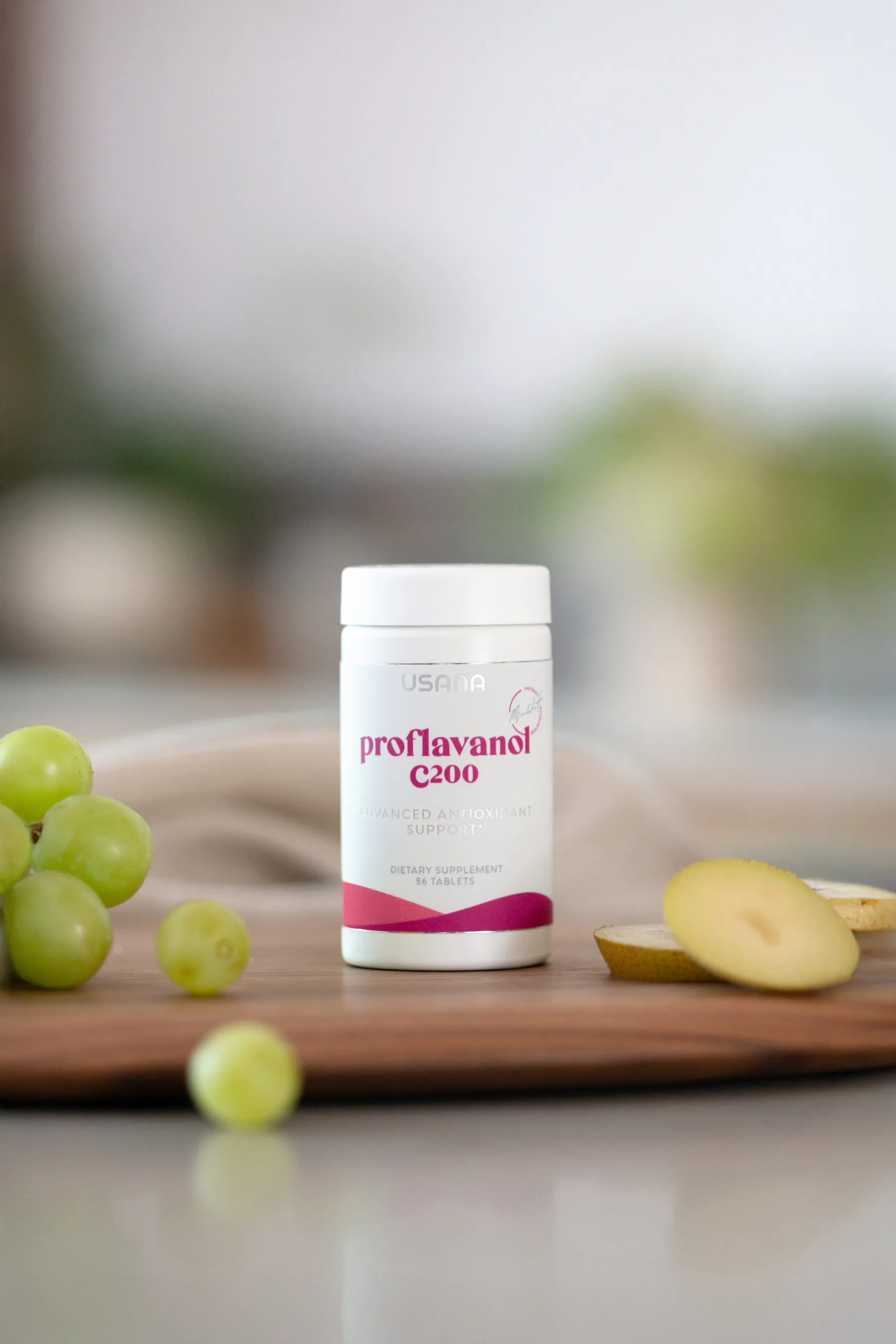
A Quiet Note on Product Options
USANA Proflavanol is available in two formulations: C100 and C200.
I don’t see them as “better” or “worse,” but as different options depending on individual needs, pace, and lifestyle.
If you’re curious, you’re welcome to explore them quietly and decide in your own time.
👉 [Explore Proflavanol C100 here]
👉 [Explore Proflavanol C200 here]
If you’d like a more technical explanation, USANA’s scientific team has shared a detailed Q&A on Proflavanol here:
👉 Ask the Scientists: Proflavanol C100
Read it only if it serves you. Understanding should never feel rushed.